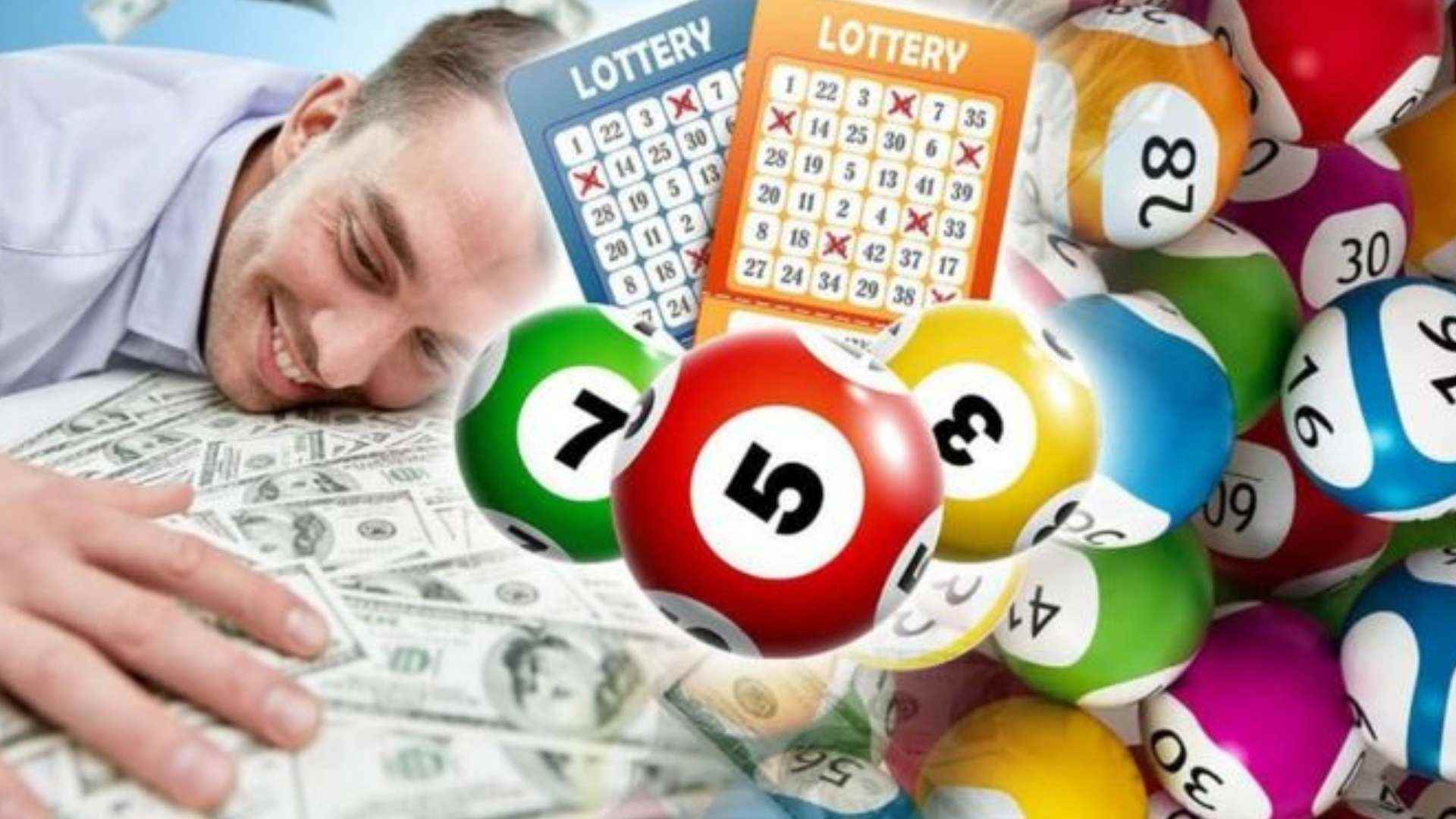
Understanding which lottery tickets produce the most wins requires evaluating the difference between jackpot totals and overall winning probability. While major draw games capture headlines with massive payouts, smaller regional games and scratch-off tickets often yield higher frequencies of individual prizes. Exploring these statistical dynamics helps players set realistic expectations before purchasing their next entry.
Evaluating Overall Odds Versus Jackpot Payouts
The statistical likelihood of winning any prize varies dramatically across different lottery formats. Major multi-state drawings feature astronomically long jackpot odds, often exceeding one in several hundred million. In contrast, local daily draw games offer significantly smaller grand prizes while delivering substantially better mathematical odds to participants.
Understanding this distinction allows players to align their purchases with their personal goals. Those seeking life-changing sums accept lower winning probabilities in exchange for massive top-tier payouts. Conversely, casual players who enjoy frequent smaller wins often favor games with tighter number pools.
The Winning Frequency of Instant Scratch-Off Games
Instant scratch-off tickets generally offer the highest overall frequency of winning returns compared to draw games. Many higher-priced scratch cards allocate a large portion of their revenue toward lower-tier cash prizes. This structure means a notable percentage of tickets return at least the original purchase value or a modest profit.
Retail statistics show that scratchers function with pre-determined prize distributions built directly into each printed batch. While jackpot scratcher prizes remain rare, secondary payouts keep player engagement high over the lifespan of a game series. Players seeking general gaming insights and odds analysis often consult resources like m88 togel to stay informed on broader market trends.
National Draw Games and Secondary Prize Tiers
National drawings like Powerball and Mega Millions are famous for generating world-record jackpots that capture public interest. However, these games also feature non-jackpot prize tiers that award cash for matching a portion of the drawn numbers. The probability of landing a smaller secondary prize is far more favorable than hitting the full combination.
Because total ticket sales skyrocket during massive jackpot runs, the sheer volume of winners in lower tiers increases proportionately. Millions of secondary prize holders claim modest payouts during these high-volume drawings. This tiered prize distribution ensures that payouts occur regularly, even when the main jackpot remains unclaimed.
Balancing Ticket Costs and Mathematical Returns
Higher ticket prices frequently correlate with improved overall odds and higher average prize amounts. A premium scratch-off ticket priced higher typically provides a better statistical return percentage than a cheap alternative. This mathematical design helps offset the higher upfront cost for players targeting mid-range prizes.
Ultimately, no ticket guarantees a profit, as lotteries are structured around random chance and house margins. Smart players review published odds tables on official lottery websites before choosing which game to play. Selecting tickets with balanced odds ensures a clear understanding of the risks and potential rewards involved.